Blog
Train smarter
Comparisons, training guides and the evidence behind how Pocket Fit works - grouped by topic so you can find the right rabbit hole.
Food tracking
Which calorie app to use, what free actually means, and how to log without quitting by week two.
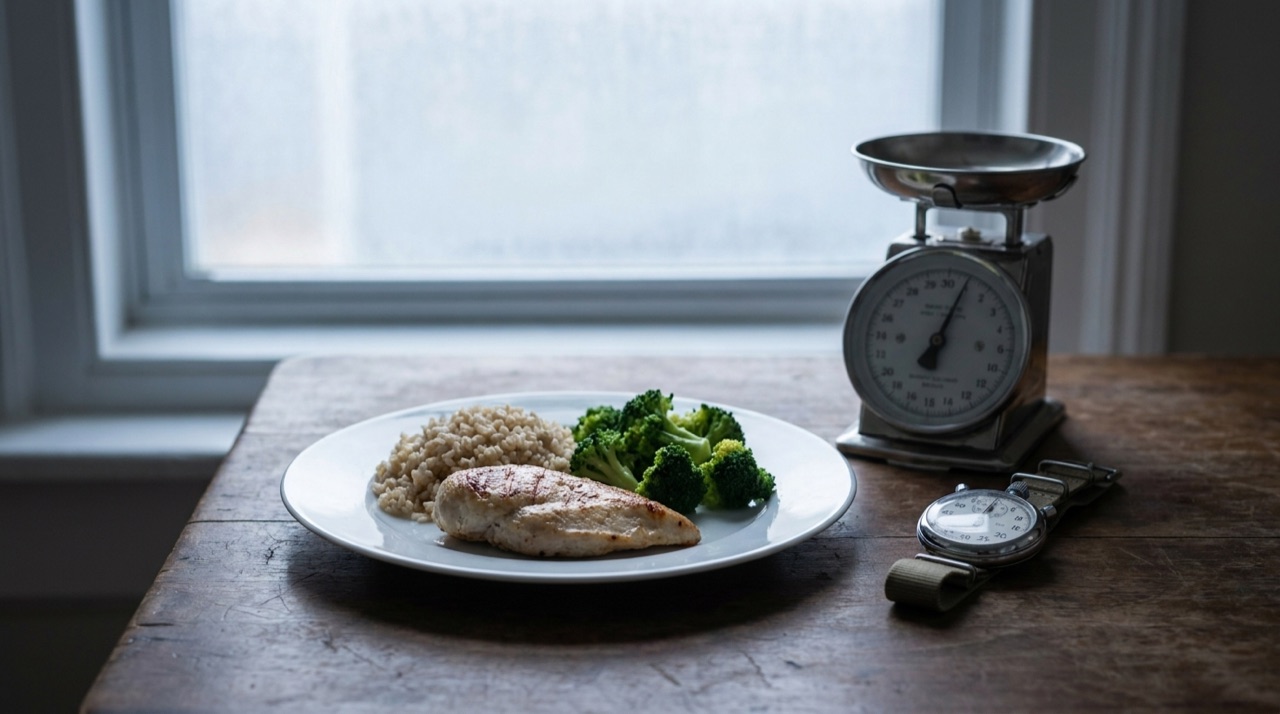
The best food tracking app in 2026: the one that wins is the one you are still using in eight weeks
In one analysis of two six-month weight loss trials, fewer than half the participants were still logging their food by week 10. So the number that decides your result is not database size or algorithm quality. It is how many seconds one meal costs you, and whether the app makes you feel bad when you go over.
Read the full guide →
Yazio vs MyFitnessPal: Europe's polished diary or the biggest catalogue
MyFitnessPal still wins on published food-database scale. Yazio often wins on a cleaner European-leaning diary and intermittent fasting tools. Neither one writes a strength programme - and that is the fork this comparison ends on.
Read more →
Lifesum vs MyFitnessPal: lifestyle meal plans or the biggest food log
MyFitnessPal still wins on published food-database scale. Lifesum often wins on lifestyle aesthetics and structured meal plans. Neither one writes a strength programme - and that is where a third option appears.
Read more →
Carbon vs MyFitnessPal: coaching macros or the giant DIY database
Carbon Diet Coach adjusts your weekly targets if you comply. MyFitnessPal finds more foods than almost anyone. They are not the same job - and Pocket Fit is a third shape again: training plus Fuel, not a dedicated macro coach.
Read more →
Pocket Fit vs Lose It: training plus Fuel, or a pure calorie counter
Lose It is a long-running calorie logger with a generous free diary and Premium that now sits near the top of the category on price. Pocket Fit costs for a different job: a strength programme with Fuel attached, not another calorie brand.
Read more →
Pocket Fit vs Cronometer: micronutrient depth or training and food in one place
Cronometer wins when you care about magnesium and the USDA-backed food database. Pocket Fit wins when the reason you track is protein next to a programme that has to survive Wednesday.
Read more →
Lose It vs MyFitnessPal: two calorie loggers, and when you need a third option
MyFitnessPal still wins on database scale and social reach. Lose It often feels simpler. Neither programmes your strength work - Pocket Fit is the third option when training is the point.
Read more →
Noom vs MyFitnessPal: psychology coaching or the food log you already know
Noom sells behaviour change and a coaching curriculum. MyFitnessPal sells the biggest published food catalogue. Neither is a strength programme. If you need to lift in a deficit, that gap matters more than either company's marketing admits.
Read more →
Pocket Fit vs Cal AI: the photo is the easy part
Cal AI's own FAQ says the app is "about 80% accurate", and it is still right about the camera. What decides your result is the minute after the photo, and that is where the two apps stop being comparable.
Read more →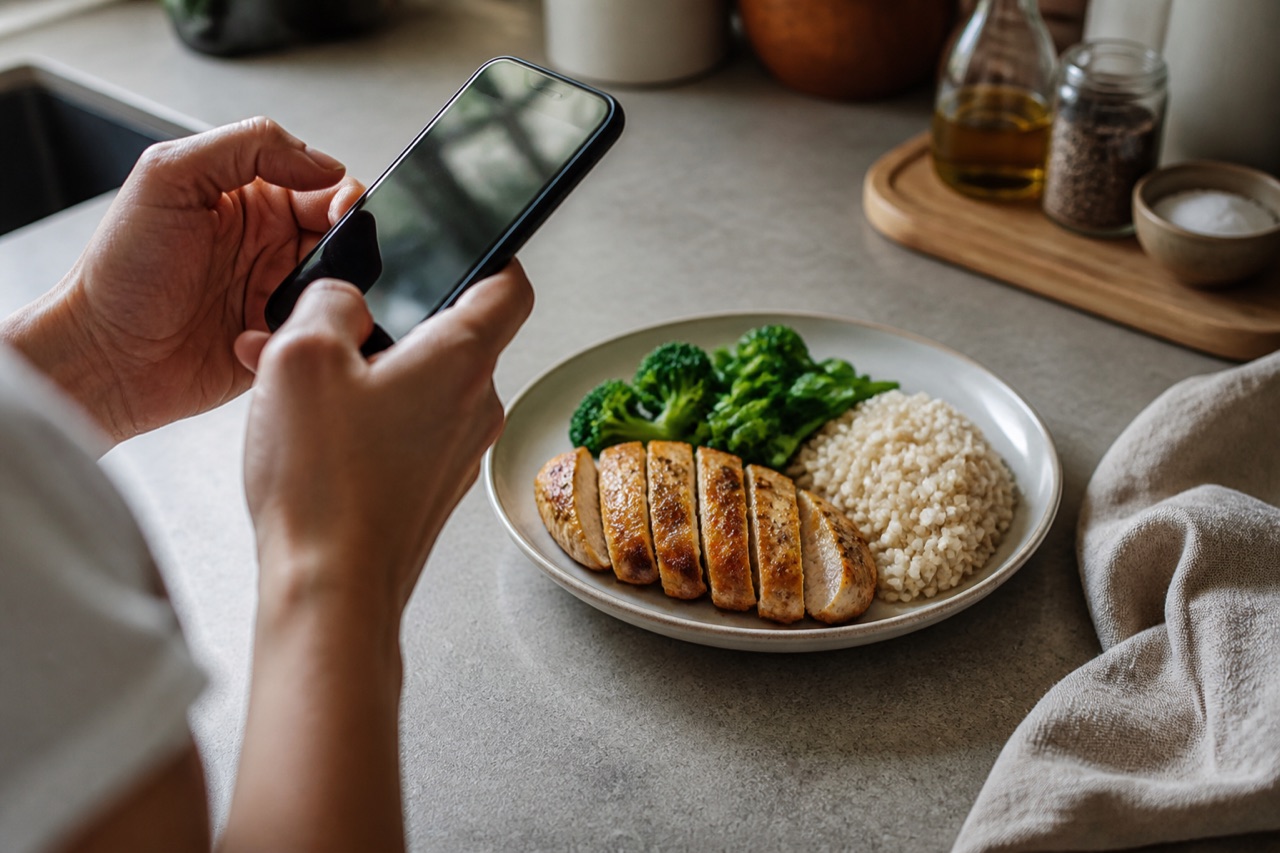
How accurate are photo calorie apps, honestly
A photo cannot see the oil in the pan. Photo calorie apps are useful for adherence, not laboratory precision - and that distinction decides whether they help you.
Read more →
MacroFactor vs MyFitnessPal: algorithm coaching or the biggest database
MacroFactor wins on the expenditure algorithm. MyFitnessPal wins on catalogue size. They solve different problems, and price and free tiers make that clearer still.
Read more →
Pocket Fit vs MyFitnessPal: which food tracker you will still use
MyFitnessPal wins on database size. Pocket Fit wins on seconds per entry and keeping food next to training. Which one you need depends on whether your problem is looking foods up or sticking with the log.
Read more →
Free Calorie Counter Apps: What You Actually Get (And What They Hide)
Four apps all say free and mean four different things. One is free with adverts, one is free until you point the camera at a barcode, one is free forever and built by volunteers. Here is which is which, from the companies' own pricing pages and Apple's privacy labels.
Read more →
Calorie Deficit + Strength Training: How to Lose Fat Without Losing Muscle
Eat less than you burn and the scale drops. But without the right protein and the right training, a large share of what leaves is muscle, not fat.
Read more →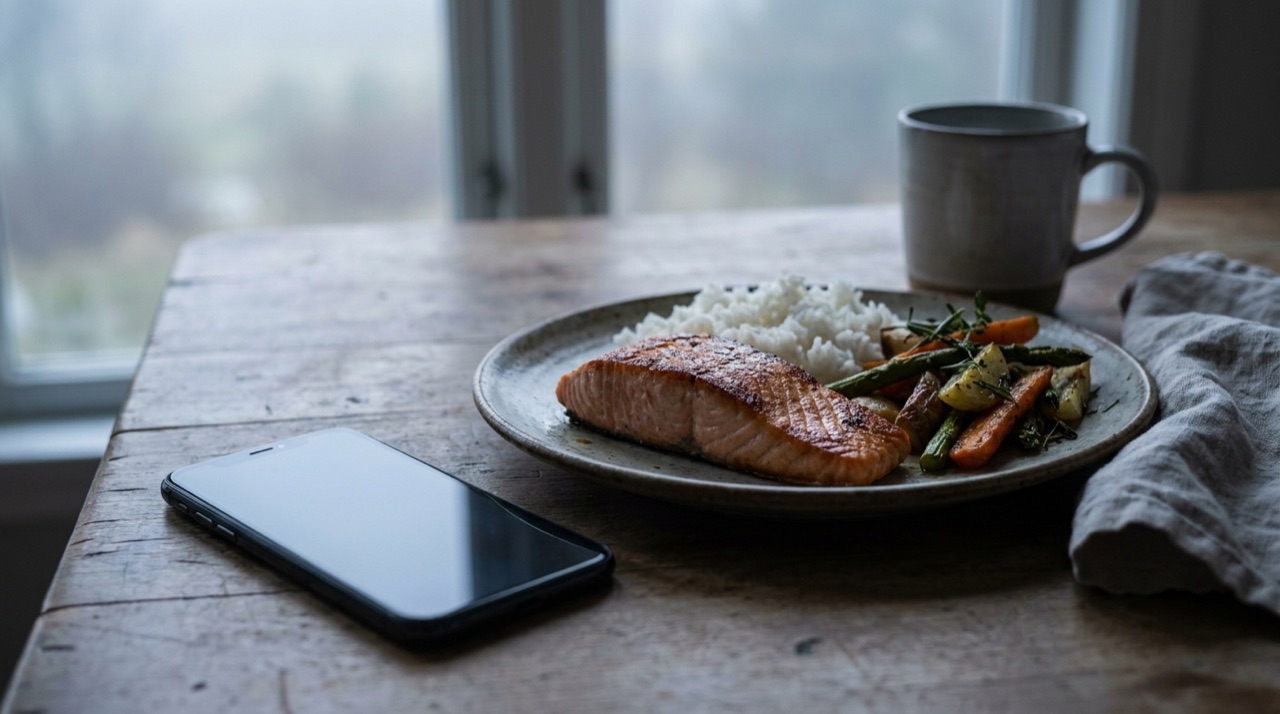
How to Log Food With a Photo: Calorie Tracking in 10 Seconds (No More Guessing Portions)
A photo will not read your plate to the gram. What it does is kill the guesswork and the drop-off, and that is the part that actually decides whether tracking works.
Read more →Workout tracking
Loggers vs programmers, pairwise comparisons, and which apps actually progress your weights.

The best workout tracking app in 2026: most of them are notebooks, and the notebook was never the problem
Fitbod, Strong, Hevy, Jefit and Boostcamp are all good at recording what you decided to do. Almost nothing in the category decides it for you, which is why the same lifter can log 300 workouts and add nothing to the bar.
Read the full guide →
Pocket Fit vs Alpha Progression: one sells set recommendations, the other sells the week
Alpha Progression is excellent hypertrophy progression software - plan generator, set-by-set recommendations, RIR and deloads - and Pro is cheaper than many AI coaches. Pocket Fit costs differently because it is not only trying to tell you the next set. It is trying to hold the calendar, the plate and the missed Wednesday.
Read more →
Pocket Fit vs JuggernautAI: one peaks the big three, the other runs the consumer gym week
JuggernautAI is a powerlifting and powerbuilding coach-in-an-app from Juggernaut Training Systems - RPE, readiness, meet peaking, squat bench deadlift focus - at a specialist price. Pocket Fit is a general gym programme with food at a consumer price. Confusing them is how people buy a meet prep tool when they needed a week they will actually finish.
Read more →
Pocket Fit vs Liftosaur: one lets you code the plan, the other refuses to make you
Liftosaur is for people who want to write progression logic in Liftoscript - GZCL, 5/3/1, custom rules, optional lifetime unlock. Pocket Fit is for people who do not want to programme their programme. Confusing them is how control freaks and calendar refugees end up in the same shortlist.
Read more →
Pocket Fit vs StrongLifts: one is a fixed 5x5 brand, the other is not Strong the logger
StrongLifts is the famous beginner barbell 5x5 programme in app form - linear progression, three days a week, not the same product as Strong the workout logger. Pocket Fit is an adaptive multi-week programme with food. Confusing StrongLifts with Strong, or with a forever plan, is how people buy a novice linear progression when they needed a week that changes.
Read more →
Pocket Fit vs Strong: the cheaper app is the notebook, the dearer one is the programme
Strong is the better workout logger, and at $4.99 a month for PRO it is also the cheaper paid product. Pocket Fit costs more because it is not trying to be a notebook. It is trying to be the week.
Read more →
Pocket Fit vs Jefit: a library of exercises is not the same as a week that survives
Jefit wins on catalogue size, community and a free logging tier with ads. Pocket Fit wins if the thing that breaks your training is the calendar, not the exercise picker.
Read more →
Pocket Fit vs Boostcamp: 11,000 programmes still leave Wednesday to you
Boostcamp is the better library of ready-made programmes, free and without ads. Pocket Fit is the better answer when the programme has to move because your week did.
Read more →
Pocket Fit vs Fitbod: one of these builds a workout, the other builds a week
Fitbod is the better app for the session in front of you. At $95.99 a year it is also the more expensive one, and what you are paying for is today's workout rather than a programme that survives the Wednesday you missed.
Read more →
Strong vs Hevy: the best logger or the cheapest auto progression
Strong is the cleaner notebook. Hevy is the cheaper path to automatic progression. They are not competing for the same job, and the free tiers decide most of it.
Read more →
Hevy vs Fitbod: Which One Should You Actually Pay For
These two apps are not competing for the same job, which is why the feature lists do not settle it. Hevy logs the program you chose. Fitbod chooses the program for you. One of them costs about four times as much.
Read more →
Progressive Overload App: Which Ones Actually Progress You
Three of these four apps genuinely automate progression, so the feature list is not the thing to compare. The question that separates them is who picks the weight for your next set, and whether you are allowed to see the rule that picked it.
Read more →AI personal trainers
What “AI coach” actually means, who is worth paying, and where Pocket Fit sits in that field.

The best AI personal trainer app in 2026: "AI coach" means four different things, and only one of them is coaching
Four completely different products are sold under the same two words. One is a rules engine, one is a chatbot, one is a human being in an app, and one is marketing language over a library that never changes. Here is how to tell them apart before you pay.
Read the full guide →
Pocket Fit vs Future: one of these is a person, the other is a programme
Future pairs you with a certified human coach through an app at about $199 a month after a cheaper first month. Pocket Fit is consumer software: a dated programme, food and a scheduler, with no dedicated coach on the other end. The expensive mistake is buying the wrong type.
Read more →
Pocket Fit vs Dr. Muscle: two AI strength apps, one priced like a coach
Dr. Muscle is an AI hypertrophy and strength app that auto-updates each workout with tools like daily undulating periodization, rest-pause and RIR, at about $48.99 a month or $399.99 a year on the App Store. Pocket Fit is a dated programme engine with food included at a lower consumer price. Same aisle, different bill.
Read more →
FitnessAI alternative: when a session generator is not enough
FitnessAI is an AI gym session generator in the same product class as Fitbod. Pocket Fit is the alternative when you need a multi-week programme, food and a scheduler - not only tonight's workout.
Read more →
Pocket Fit vs Caliber: app programme at consumer price, or a human on a ladder
Caliber sells a free-to-premium coaching ladder that can end in a one-to-one human around $200 a month. Pocket Fit sells an app-only multi-week programme at consumer subscription prices - structure, not supervision.
Read more →
Pocket Fit vs Ladder: solo programme or the team that makes you show up
The research on group exercise is blunt: true teams beat going alone on adherence. Ladder is built around that. Pocket Fit is built around a dated gym week and food in the same app. Pick the failure mode you actually have.
Read more →
Pocket Fit vs Freeletics: you can build muscle in a hotel room, but you cannot build a squat there
Across 21 trials, muscle growth was much the same whether the load was light or heavy. Maximum strength was not. That single split decides which of these two apps is worth your money.
Read more →
Future vs Caliber: both sell you a person, and only one lets you find out whether you need one
Future is $199 a month for a dedicated human coach. Caliber's one-to-one tier lands in roughly the same place at around $200. The difference is not the coaching, it is that Caliber puts a free tier underneath it, so you can discover whether you actually need a person before you pay for one.
Read more →
What an AI fitness app really is: four unrelated products sold under one name
"AI personal trainer" is not a product category. It is a marketing slot that four completely different things are currently occupying, priced from free to about 199 US dollars a month, and the expensive mistake is not choosing the wrong app but choosing the wrong type.
Read more →
Claude Opus 5 and your training: what actually gets better, and what does not
A better model improves the parts of coaching that are language and judgement. It does nothing for the parts that are physics and adherence, and those are the parts deciding your result.
Read more →
AI Fitness App Guide: How Pocket Fit Adapts to Your Workouts
Discover how a true AI fitness app adapts to your body and schedule. Learn why static plans fail and how Pocket Fit’s smart algorithms keep your workouts on track.
Read more →
AI Fitness Apps: Why Most of Them Are Just Noise – And Why Pocket Fit Provides Real Value
Most AI fitness apps are overhyped and under-deliver. Discover why Pocket Fit stands out with context-aware planning, injury management, and real adaptive intelligence for gym and home training.
Read more →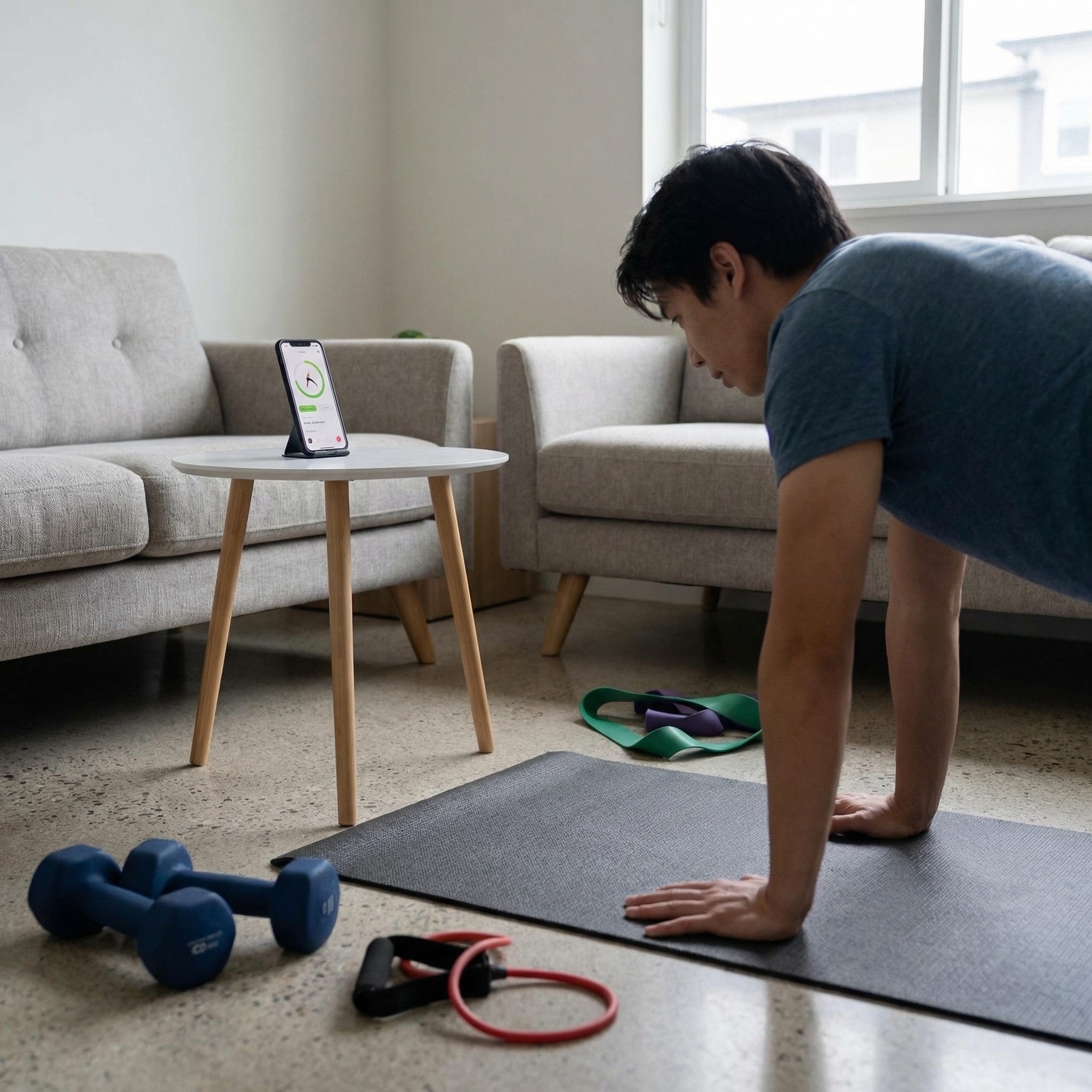
How an AI Fitness App Solves Home Training Without Equipment
Discover how AI fitness apps revolutionize home training by personalizing workouts based on your equipment, schedule, and performance for optimal results.
Read more →Training & progressive overload
How programmes are built, how the bar moves, and the splits that survive a bad week.

The best workout split is the one your week survives: how Pocket Fit builds your program, and every split it offers
The split you pick matters far less than how often each muscle gets trained, and that single number, per muscle weekly frequency, is decided the moment you choose your training days.
Read the full guide →
Workout accountability without shame: your streak is counting the wrong thing
A daily streak quietly punishes the person who trains three or four times a week, which is almost everyone. Change the unit to the week and a missed Tuesday stops being a failure.
Read more →
Bring your own workout: your program is probably fine, it is the blanks that break it
The research says the structure you already chose works. What sinks it is the fields nobody writes down: rest, set count, and what weight to put on the bar today.
Read more →
Progressive Overload Runs on Protein: Why the Bar Stops Climbing When You Under-Eat
The plateau that will not break is usually a fuelling problem, not a programming one. Under-eat, especially under-protein, and the reps stop climbing, so the bar never earns its next jump.
Read more →
Reps First, Then Weight: The Progressive Overload Rule That Actually Adds to the Bar
Progressive overload is not "add weight every week". Add reps first, and the bar only moves after you have held the same load for two sessions in a row.
Read more →
Push Pull Legs for Beginners: The Complete PPL Split Explained (With a Week of Workouts)
The push pull legs split is sold as an advanced routine, but the thing that makes it work for a beginner is the boring part: it lets you hit each muscle at least twice a week, which is where nearly all the growth is.
Read more →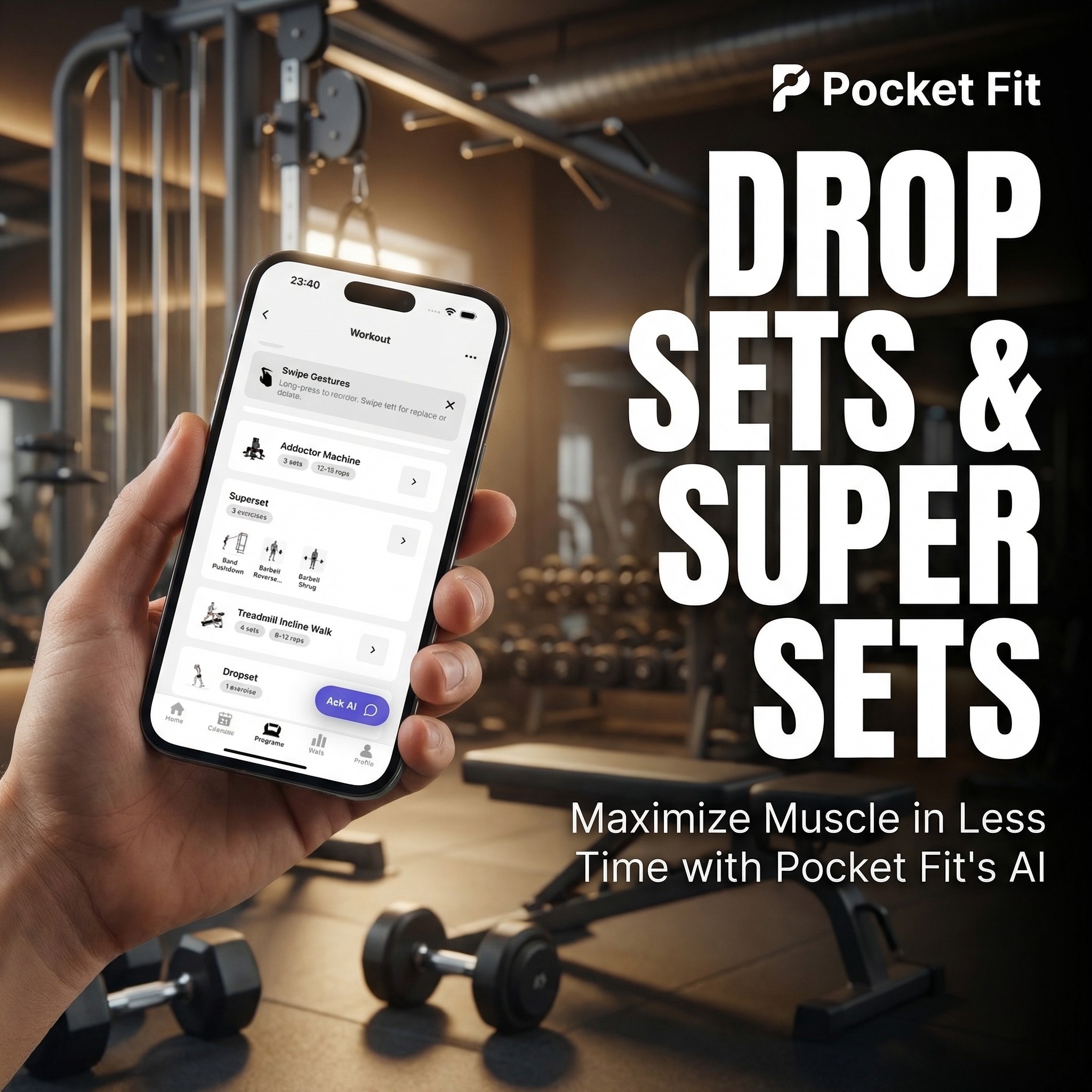
Drop Sets and Super Sets for More Results in Less Gym Time
Maximize muscle gains in less time with drop sets and super sets. Discover effective training techniques to boost your results and efficiency at the gym!
Read more →Watches, Apple & Peloton
Where Pocket Fit fits beside Apple Fitness, Strava, Peloton, Garmin and the Watch.
Pocket Fit vs Apple Fitness+, Strava and Peloton: these four are not competing for the same job
Apple Fitness+ sells you 12 workout types, Strava sells you segments, Peloton sells you instructors, and not one of the three will tell you what to put on the bar on Thursday. Strength is a dose measured in 30 to 60 minutes a week, and a dose is not a class.
Read the full guide →
Apple Fitness+ alternatives 2026: leave the class library when you need a programme
Fitness+ is a filmed class product at $9.99 a month. The right alternative depends on the job: Pocket Fit for progressive strength, Peloton for boutique classes, Strava for outdoors, Nike Training Club for free, Future for a human coach.
Read more →
Garmin Fitness Coach vs Pocket Fit: free watch plans are not a gym programme
Garmin Fitness Coach is a free general-fitness plan on compatible watches, with optional strength about twice a week. Pocket Fit is a paid strength programme with food attached. Same words, different hire.
Read more →Sleep
How last night’s sleep changes tomorrow’s session, fat loss and muscle growth.

Poor sleep and fat loss: you lose the wrong thing
On a diet, how much weight you lose barely changes with sleep. What changes is whether it comes off as fat or as muscle.
Read the full guide →
The Oura Ring lawsuit: 95% or 53%, and why the number was never the point
Oura advertised "95% Sleep Staging Accuracy". A new class action points to a study that found 53.18% agreement with a sleep lab. Both numbers may be real, and the gap between them is the most useful thing you will read about sleep tracking this year.
Read more →
The Progressive Overload Variable Nobody Logs: How Sleep Decides When the Weight Goes Up
A stalled bar is usually read as a programming failure. More often it is a recovery signal, and the input driving it is the one thing you never write down: your sleep.
Read more →
Turn your Apple Health sleep data into tomorrow's session
A watch can score last night out of 100, but the score changes nothing you do today. What helps is turning a run of short nights into one small instruction before you train: same plan, a little less volume.
Read more →
Training on poor sleep: what to change and what to keep
Training on poor sleep costs you most in the afternoon and least in the morning, and the injury warning you have read rests almost entirely on studies of teenagers.
Read more →
Sleep and muscle growth: why a bad night is not a rest day
Sleep loss slows the rate at which your body builds muscle, but the strongest study on sleep and muscle growth found that training through a bad week held that rate steady.
Read more →
Sleep consistency and the weight on the bar
Across 45 studies, sleep loss made training feel significantly harder while barely changing how much force people produced - and that gap is the real case for sleep consistency.
Read more →GLP-1 & weight loss
Muscle loss on the drugs, what happens when you stop, and why training still matters.

There is no shortcut that skips the training: what drugs and peptides can't give you
A GLP-1 can take off real weight and a peptide can promise faster recovery. Neither builds a gram of muscle, bone or fitness - and in the largest review of what training does, that work is tied to up to a 17 percent lower risk of dying early. The borrowed results are on loan. The trained ones are yours.
Read the full guide →
What happens when you stop a GLP-1: the weight comes back as the wrong tissue
Stop the drug without building the habits underneath it and roughly two-thirds of the lost weight returns within a year. And because it returns mostly as fat while the muscle does not, you can land back at a similar weight in worse shape than you started.
Read more →
The muscle you lose on a GLP-1 is the weight you did not want to lose
A GLP-1 produces real, large weight loss. But a big slice of what comes off is muscle, not fat, and that is the part you have to fight to keep.
Read more →Product updates
Launches, platforms and features from the Pocket Fit team.
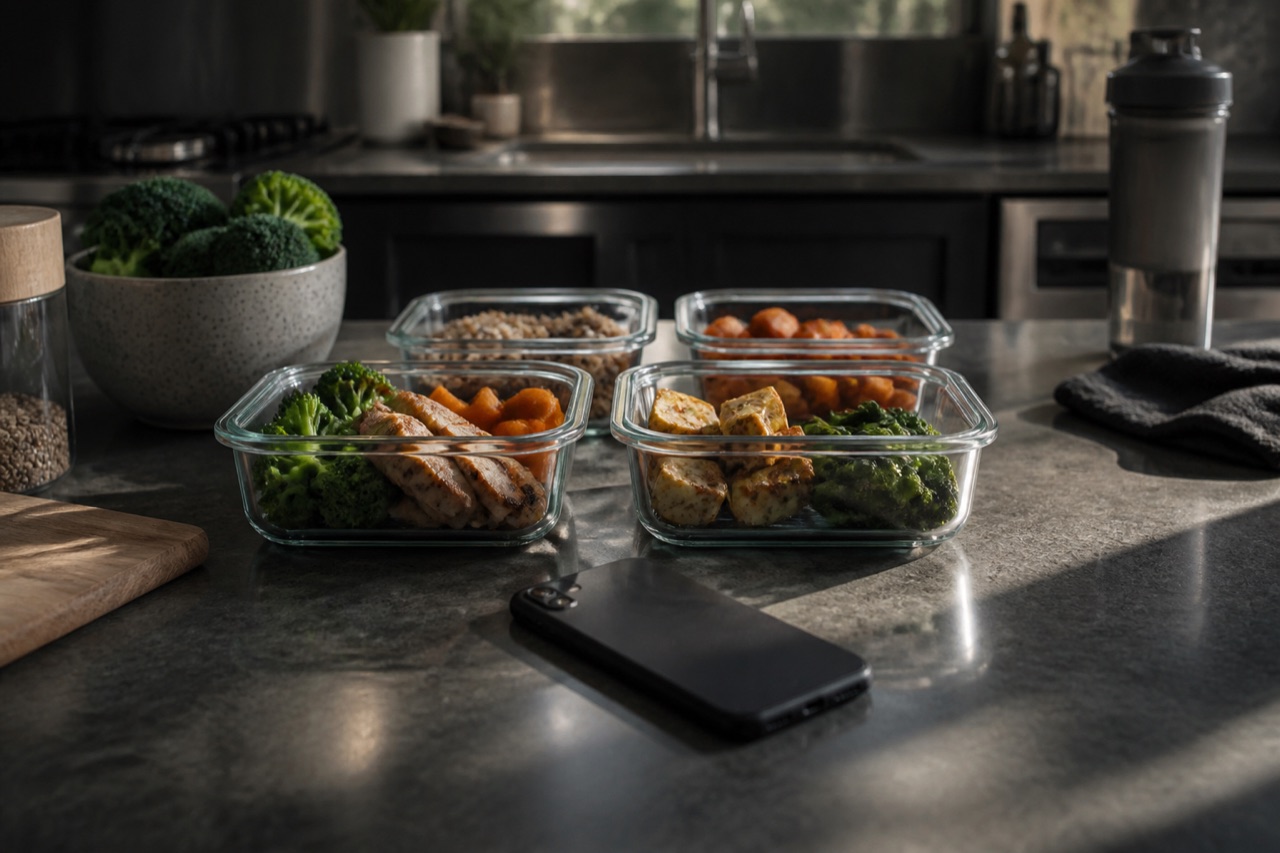
Pocket Fit food update: the diary you still open in week eight
Digital food tracking works when people keep doing it - meta-analyses put the average extra weight loss around 2 to 3 kg when diet and activity are self-monitored on a phone. The product problem is not more fields. It is fewer reasons to quit.
Read more →
Pocket Fit social update: borrow a programme without deleting yours
Social influence on exercise is usually a small to moderate effect in the research - and family support and task cohesion can land in the moderate to large range. Copying a friend's programme should feel like joining the work, not overwriting your calendar.
Read more →
Pocket Fit update 2026: your exercises, freestyle days and a scheduler you can switch off
A training app earns trust when the week survives improvisation - custom movements, a session with no plan, and a missed day that does not silently rewrite your calendar without consent.
Read more →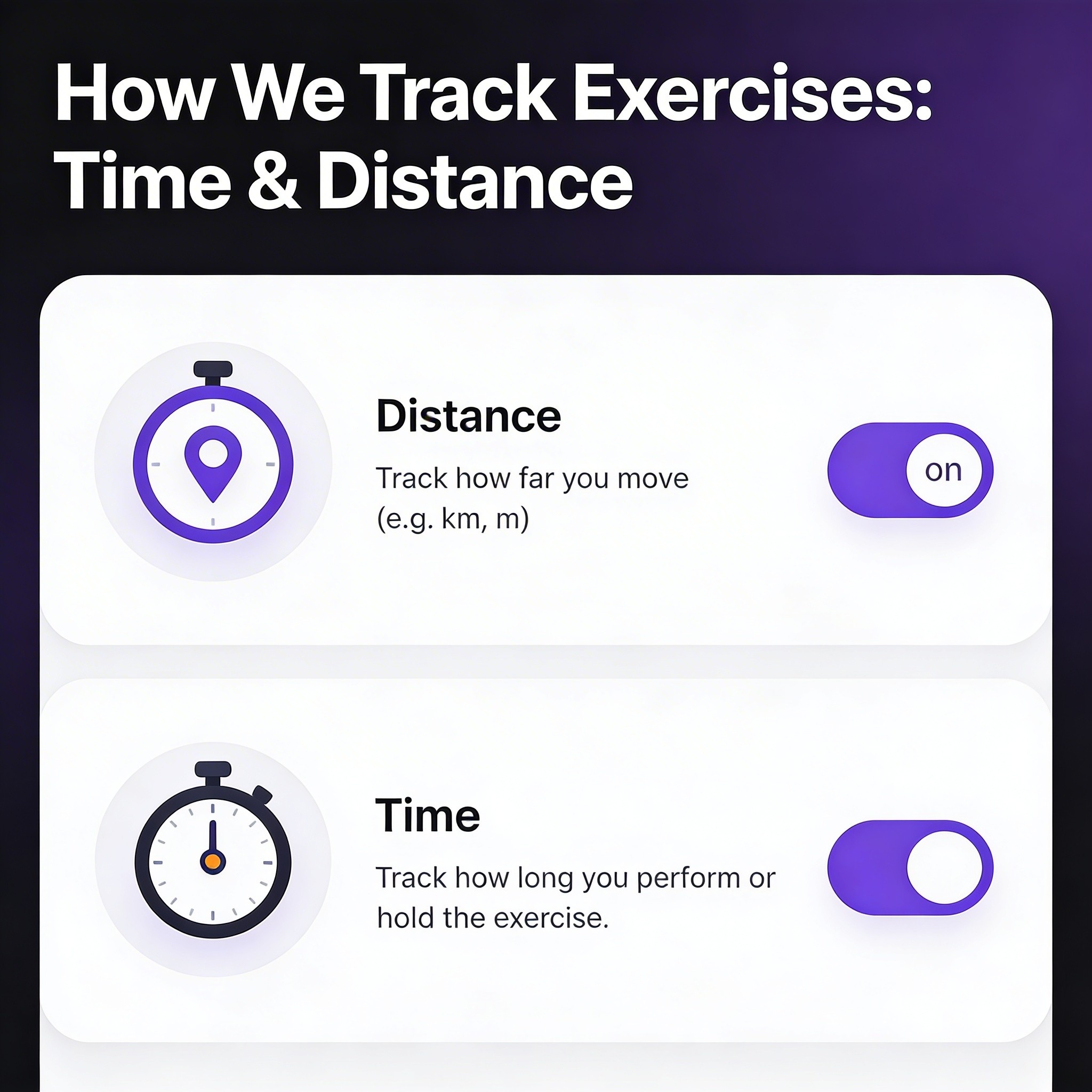
Pocket Fit Has Launched Exercise Tracking for Distance and Time
Discover Pocket Fit's new exercise tracking for distance and time, enhancing your workouts by accurately logging cardio metrics beyond just reps and sets.
Read more →
Winter arc workout plan: 90 days is really 36 sessions
A 90-day winter arc sounds enormous. As a workout plan it is about 36 training sessions, and the research says the programme you pick matters far less than whether session 30 is heavier than session 3.
Read more →
What is the winter arc? The lock-in that starts before January
The winter arc is a 90-day lock-in from the start of October to the end of December. The strange part is that the science mostly backs it - people who commit to change at a clear start line are about ten times more likely to still be going six months later than people who never draw one.
Read more →